Free, worldwide, for self-taught builders
A guild for people teaching themselves robotics.
The Guild is free and worldwide: learning resources, people who answer, datasets everyone reuses. The Hardware Pool is local: shared robots in city nodes. Berlin is first.
The Guild: free, worldwide, in EnglishHardware Pool: local nodes. Node no. 1: Berlin
-
Free · worldwide · online
The Guild
Most of the week you study on your own. The Guild is the part you don't have to do alone: free, from anywhere.
-
Paid · local · first node: Berlin
Hardware Pool
Buying robots alone is expensive. A year with a node's whole fleet costs less than one of them. Nodes are local, city by city. Berlin is first.
The Guild: free, worldwide
Learning resources
Hand-picked guides, courses and docs for teaching yourself robotics. A growing collection; members add to it.
A Discord with a door
Searchable help threads and show-and-tell. Two questions to get in, so everyone here is building.
A shared Hugging Face org
Members' datasets and trained policies, reusable by everyone. An asset nobody builds alone.
A known-good setup
Pinned versions, calibration files, print files and cheat sheets on GitHub. Dependency hell, solved once.
Six-week sprints
Pick a goal, build it, show what moved at an online demo night.
Member-led walkthroughs
A rotating study lead walks through what they just learned. Online, for the whole Guild.
Public build logs
A log per member, so your progress has a home. Your work is the Guild's showcase.
A member directory
Who knows ML, mechanics, electronics or ROS. Ask the Guild, not one tired person.
Guest builders, quarterly
Someone from the robotics scene drops by: online for everyone, in person at nodes.
A hackathon team
The Guild turns up to robotics and LeRobot hackathons as one team.
First call on founding seats
When a node opens near you, Guild members hear first, before the seats go public.
Hardware Pool: local nodes
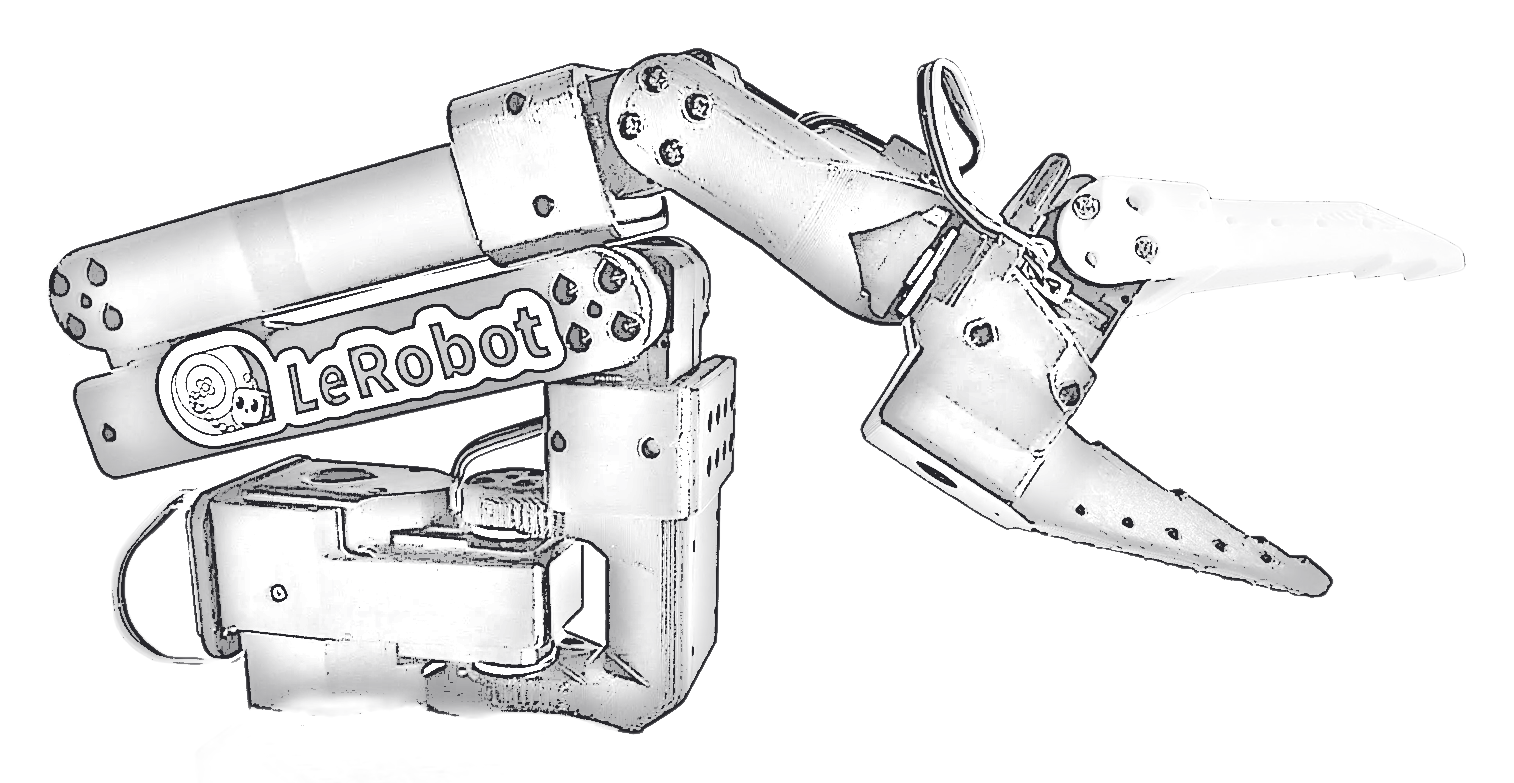
Robots you can take home
Borrow between Guild Nights against a refundable deposit. Learn on one before buying your own.
Guild Night, every week
Open to any Guild member: get unstuck, hear a member's walkthrough. Pool members swap robots.
Builder Salons
Small, vetted evenings with people who actually build things. No pitches, no lanyards.
Node 1: Berlin
Motion Lab Berlin · steward Alex AdamovFounding seats open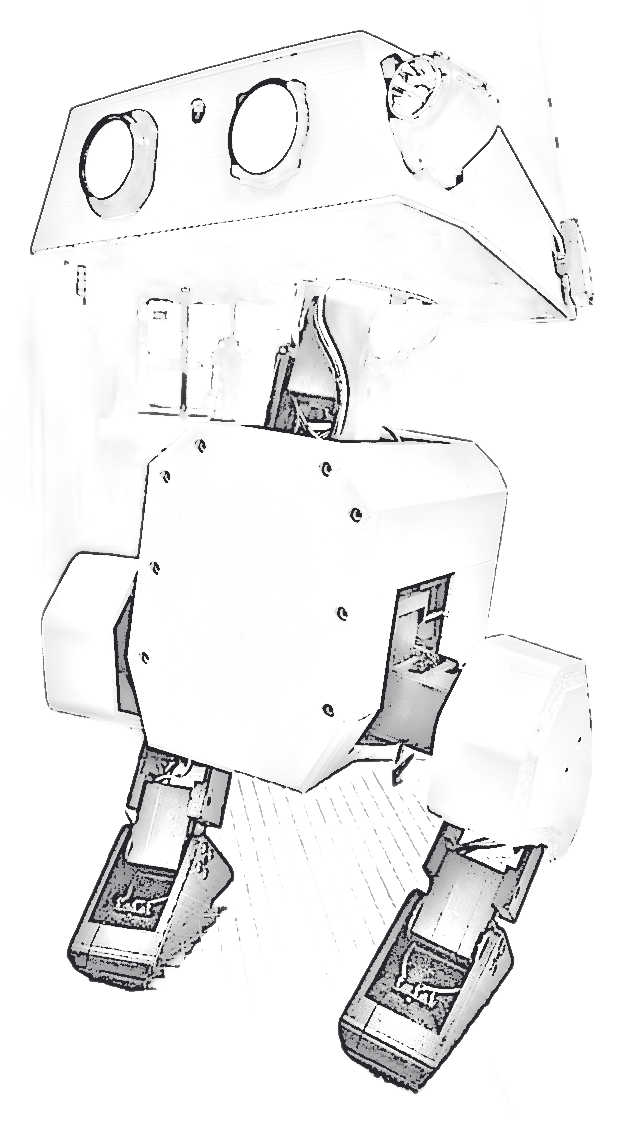
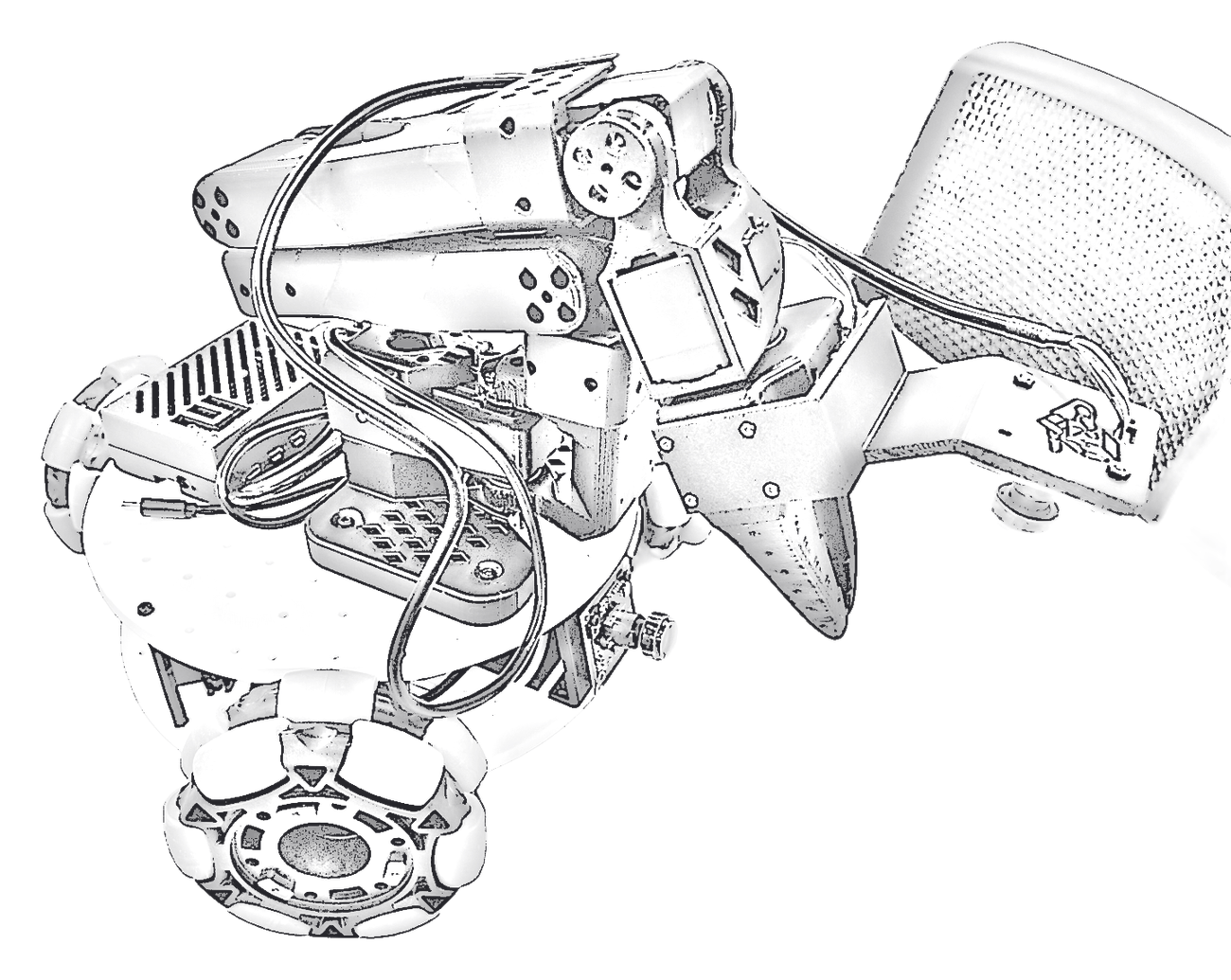
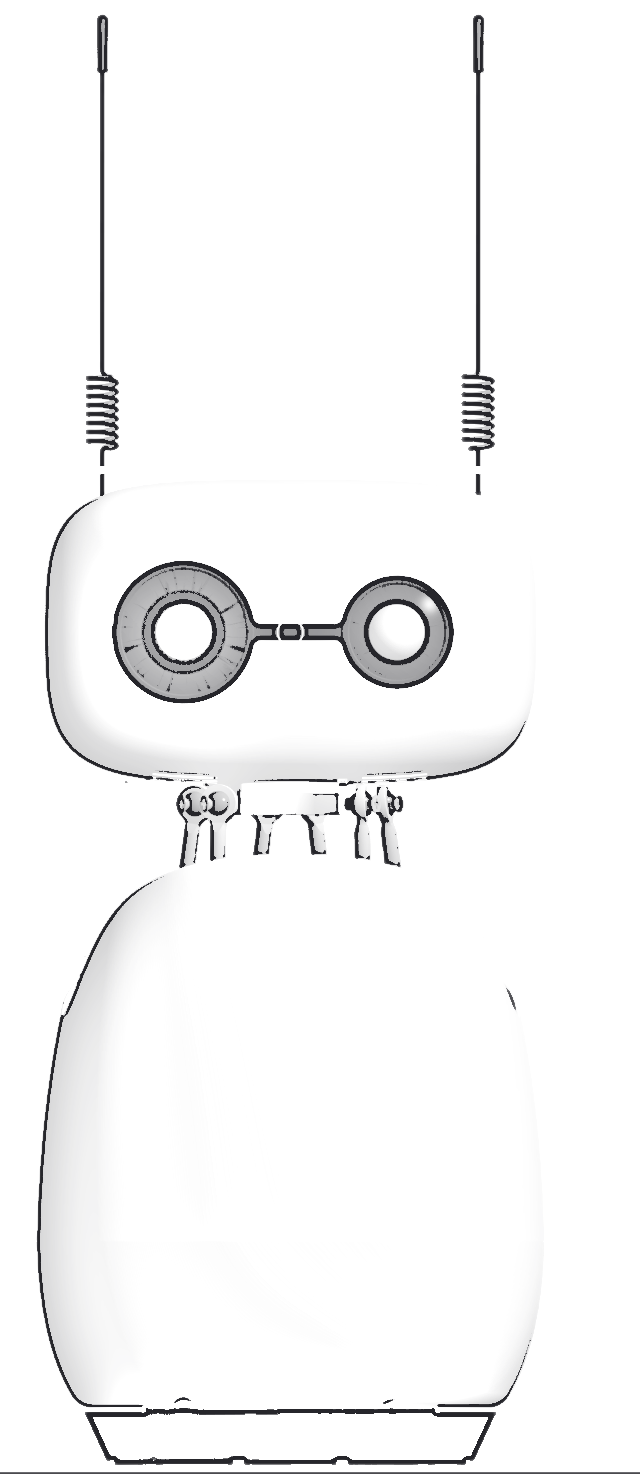
Be one of the ten who launch this node: every robot, today's and tomorrow's, for as long as it runs. Ten seats, then the founding offer closes.
No node near you yet? Start one in your city.
The charter
Four rules, every member, every node.
- §1
We lend robots, not parts
Servos, electronics, cables and kit for your own builds are yours to source. Working that out is half the learning.
- §2
Builders, not lurkers
Build something, show it, help the next person. Quiet for a quarter and your free Guild spot lapses, no hard feelings. Paid seats are never affected.
- §3
Break it, say so
Things break when you learn. Say so the same day and the robot is back in service fast.
- §4
Bring it back
Loans run from one Guild Night to the next, because someone else is waiting.
I'm a self-learner from a non-technical background. Robots are expensive to buy alone and more fun to break together, so I started the guild I wanted to join.
Questions
Is Robo Guild only for Berlin?
No. The Guild is worldwide and online. Only the Hardware Pool is local, and Berlin is its first node. Not near one? You get everything online, and a way to start a node.
Does joining cost money?
No. The Guild is free, from anywhere. Only the Hardware Pool costs money, because robots do. What the Guild asks instead: build something and show it.
Why is joining gated?
So the Discord stays a workshop, not a feed. Two honest answers and a hello in week one are the whole gate.
Do I need a technical background?
No. Neither does Alex, who started it. You need hours each week and the stubbornness to keep going when the arm won't calibrate.
Which language does the Guild use?
English, everywhere: Discord, every node's Guild Night, the learning resources. Members join from all over, and one shared language keeps it one Guild.
Who runs this?
Alex Adamov runs the Guild. Each node has its own steward; Alex stewards Berlin.